While academic skills are important, research shows that social-emotional competence is equally crucial for children's success and well-being.
What is Social-Emotional Learning?
SEL involves developing skills to:
- Understand and manage emotions
- Set and achieve positive goals
- Feel and show empathy for others
- Establish and maintain positive relationships
- Make responsible decisions
Why SEL Matters
Children with strong social-emotional skills:
- Have better academic performance
- Form healthier relationships
- Show better behavior and fewer discipline issues
- Experience less anxiety and depression
- Develop stronger problem-solving skills
- Are more resilient in facing challenges
How We Support SEL
Creating a Safe Environment
- Consistent routines provide security
- Clear, age-appropriate expectations
- Positive reinforcement of desired behaviors
- Opportunities for choice and autonomy
Teaching Emotional Literacy
- Naming and discussing emotions
- Reading books about feelings
- Validating children's emotions
- Modeling healthy emotional expression
Developing Social Skills
- Practicing turn-taking and sharing
- Role-playing social scenarios
- Teaching conflict resolution strategies
- Encouraging cooperation and teamwork
Building Self-Regulation
- Teaching calming strategies (deep breaths, quiet space)
- Practicing patience and delayed gratification
- Helping children recognize their triggers
- Providing tools for self-soothing
Supporting SEL at Home
- Model emotional intelligence: Name your own feelings and handle stress constructively
- Validate emotions: "I see you're disappointed" before problem-solving
- Teach problem-solving: Guide rather than solve for them
- Practice empathy: "How do you think she felt when...?"
- Set clear boundaries: Limits help children feel secure
- Allow natural consequences: Learning opportunities in safe situations
- Celebrate effort: Focus on growth, not just outcomes
Age-Appropriate Expectations
Toddlers (1-3 years)
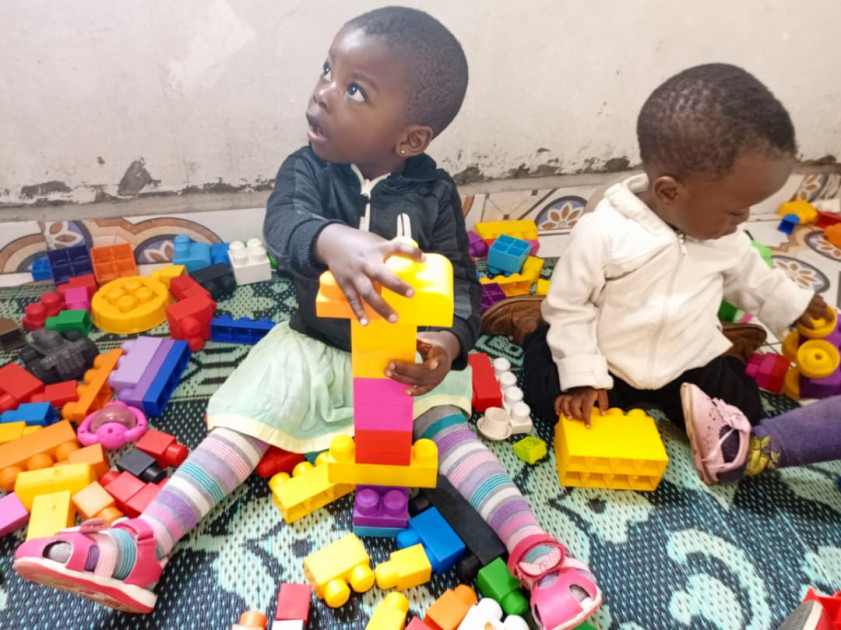
- Beginning to play alongside peers
- Starting to identify basic emotions
- Developing self-awareness
- Limited impulse control (completely normal!)
Preschoolers (3-5 years)
- Playing cooperatively with others
- Understanding and expressing complex emotions
- Beginning to understand others' perspectives
- Developing self-control and patience
Partnership Between Home and School
SEL is most effective when we work together:
- Share observations about your child's social-emotional development
- Use consistent language and strategies
- Communicate about challenges and successes
- Celebrate growth together
Remember, social-emotional development is a journey, not a destination. Every interaction is an opportunity to teach and reinforce these critical life skills!






Comments (0)
No comments yet. Be the first to comment!