Technology is everywhere, and screens are part of modern life. The key is finding balance and ensuring screen time supports rather than hinders development.
Current Recommendations
Under 18 Months
The American Academy of Pediatrics recommends:
- Avoid screen media other than video chatting
- Exception: Video calls with family are valuable for social connection
18-24 Months
- If introducing media, choose high-quality programming
- Watch together and talk about what you see
- Limit to short periods
2-5 Years
- Limit screen time to 1 hour per day of high-quality programming
- Co-view when possible
- Understand what they're watching and teach them about content
Why Less is More for Young Children
Brain Development
- Young brains learn best through hands-on experiences
- Screens can't replace the learning that happens through play
- Interactive experiences build neural connections better than passive viewing
Language Development
- Children learn language best through back-and-forth conversations
- Even "educational" programs can't replace real interactions
- Excessive screen time is linked to language delays
Social-Emotional Development
- Reading faces, body language, and social cues requires practice
- Screens can't teach empathy and emotional regulation
- Interactive play with people builds social skills
Physical Health
- Young children need active play for healthy development
- Screen time often displaces physical activity
- Excessive screen use is linked to sleep problems
Creating Healthy Media Habits
Be Intentional
- Choose specific programs rather than random browsing
- Preview content to ensure it's age-appropriate
- Look for shows with educational value and positive messages
Make it Interactive
- Watch together when possible
- Talk about what you're seeing
- Ask questions and make connections to real life
- Extend learning offline with related activities
Set Clear Boundaries
- No screens during meals
- No screens an hour before bedtime
- Create "screen-free zones" in your home
- Use timers to mark the end of screen time
Model Healthy Use
- Children imitate what they see
- Limit your own screen time around children
- Give children your full attention during interactions
- Put phones away during family time
Better Alternatives
Instead of screen time, offer:
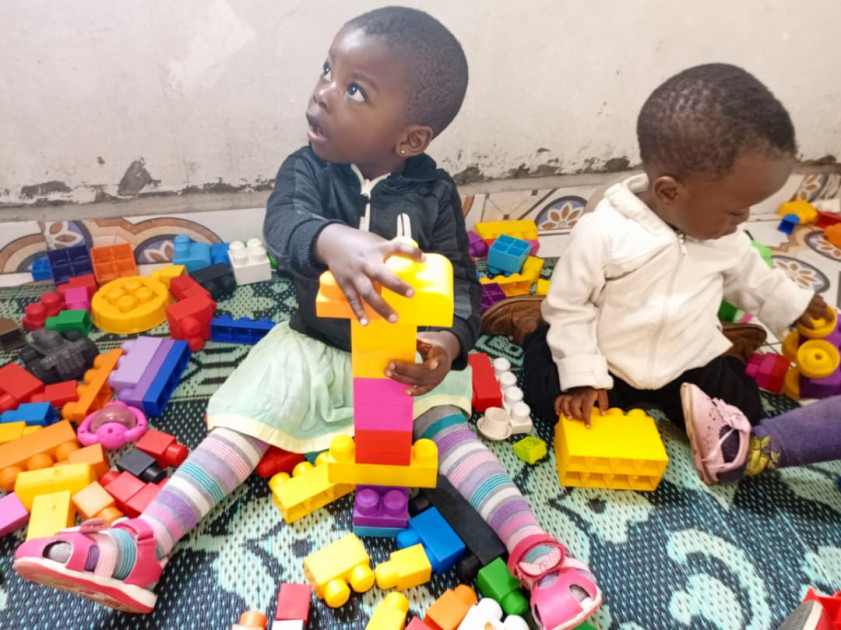
- Creative play: Art, building blocks, pretend play
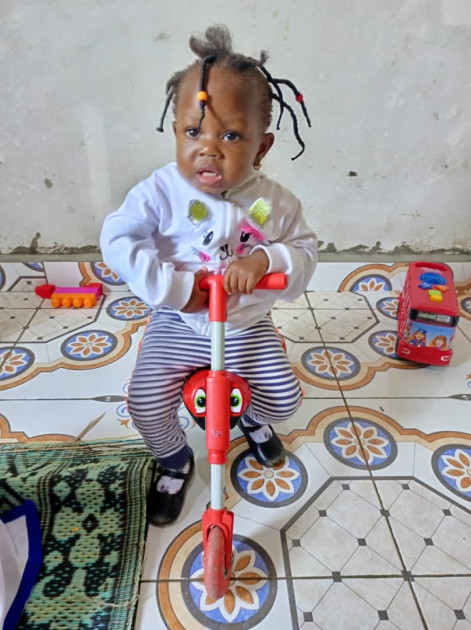
- Physical activity: Outdoor play, dance, sports
- Reading together: Books, stories, library visits
- Family time: Cooking, games, conversations
- Music and movement: Singing, dancing, instruments
- Nature exploration: Parks, gardens, walks
When Screens Can Be Helpful
Not all screen time is equal. Better uses include:
- Video calls with distant family members
- Interactive educational apps used together
- Creating content (taking photos, making videos) rather than just consuming
- Brief, intentional viewing of quality educational content
Signs of Too Much Screen Time
Watch for:
- Tantrums when screens are turned off
- Loss of interest in other activities
- Sleep problems
- Difficulty with attention and focus
- Language or social delays
Our Screen-Free Environment
At ABC Children Centre, we maintain a screen-free environment because:
- Young children learn best through play and interaction
- We prioritize hands-on, sensory-rich experiences
- Our curriculum is built around active engagement
- Children need a balance to screen exposure at home
Remember, the goal isn't to completely eliminate screens—they're part of modern life. The goal is balance, quality, and ensuring technology enhances rather than replaces the experiences that truly support development.









Comments (0)
No comments yet. Be the first to comment!